

Introduction
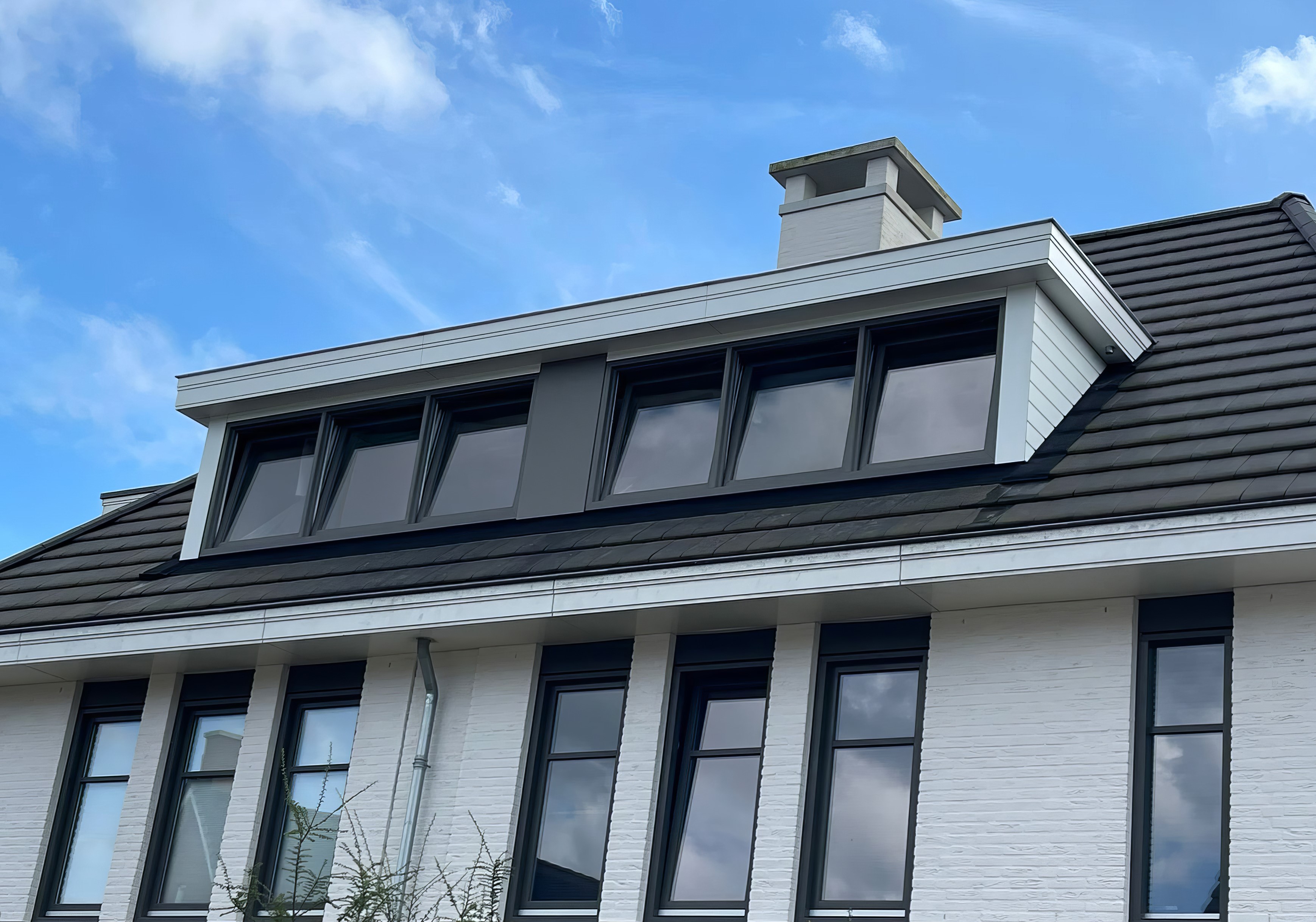
A dormer is one of those architectural elements that most people recognize intuitively, even if they cannot always name or describe it precisely. Commonly associated with the characteristic “window protruding from the roof,” for many years it was treated primarily as a stylistic detail. Contemporary single-family housing, however, shows that its role is farbroader. Increasingly, a dormer is becoming a deliberate design tool thatimproves the comfort, ergonomics, and functionality of attic spaces.
In the context of modern architecture—where every square meter matters and the quality of interior space is a priority—a dormer is nolonger merely a decorative roof feature. When properly designed, it can fundamentally change how an attic is used, influencing both daylight access and the spatial layout of rooms.
What exactly is a dormer?
A dormer is a structural projection that forms an integral part of the roof slope, featuring a vertical front wall and its own roof. Within it, a window is installed which, unlike a roof window, is not positioned in the plane of the roof. A dormer therefore represents a conscious intervention in the building’s geometry, altering both the appearance of the roof and the spatial conditions inside the attic. From a construction perspective, this solution requires careful planning. The dormer design must be coordinated with the roof structure, load transfer mechanisms, and the connection details to the main roof framework.
Attic space – the key functional benefit
One of the most tangible advantages of a dormer is its impact on interior geometry. Attics in single-family homes are often characterized by sloped ceilings that restrict arrangement possibilities. Limited headroom near walls can make parts of the floor area difficult to use in everyday life. A dormer locally raises a section of the roof and introduces a vertical wall, effectively increasing usable space. This reduces the proportion of low, impractical zones and gives the room a more regular layout. For residents, this translates into greater freedom in furniture placement, more comfortable circulation paths, and more efficient use of space.
In many architectural designs, the presence of a dormer determines whether the attic becomes a fully functional living area or remains a space with limited practicality.
Daylighting and visual comfort
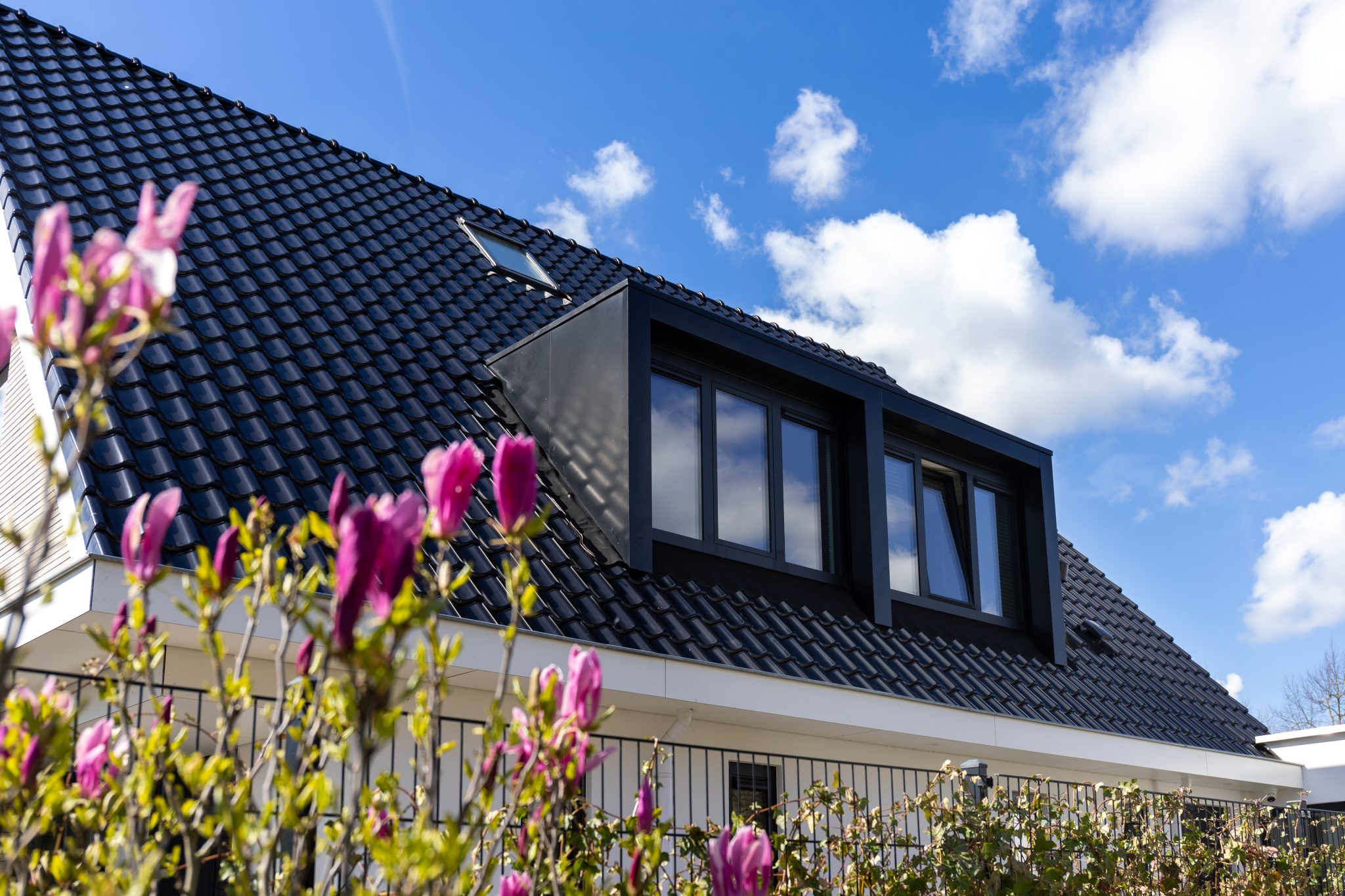
Access to natural light is one of the key factors influencing the comfort and usability of interior spaces. A dormer, by incorporating a vertical window, allows daylight to enter in a manner similar to that of standard building floors. This changes the character of the interior, enhances the perception of space, and contributes to the over all aesthetic experience.
An important advantage is the wide choice of window joinery. Windows installed in dormers can vary in size, proportion, and subdivision, making it possible to adapt them both to the function of the room and to the architectural style of the building. Unlike roof windows, which impose certain aesthetic and installation constraints, a dormer offers greater design flexibility.
Another significant aspect is the visual relationship withthe surroundings. A vertical window provides a more natural connection with the outside landscape, which is particularly appreciated in attic bedrooms, homeoffices, or living areas.
Impact on the building’s form and architectural character
A dormer significantly shapes the visual perception of a house. It breaks up the uniform plane of the roof, introduces variation, and adds a sense of dynamism to the structure. It may serve as a subtle stylistic accent or become a dominant compositional element of the facade.
In traditional architecture, dormers have long been a natural component of roof design, contributing to a sense of elegance and proportion. In contemporary projects, their role remains equally important,although they often take on more minimalist forms. A well-designed dormer is not merely an addition, but a deliberate architectural feature that reinforces the character of the entire building. The choice of form, proportion, and placement can strongly influence the building’s aesthetics, giving it individuality and recognizability.
Variety of forms and design possibilities
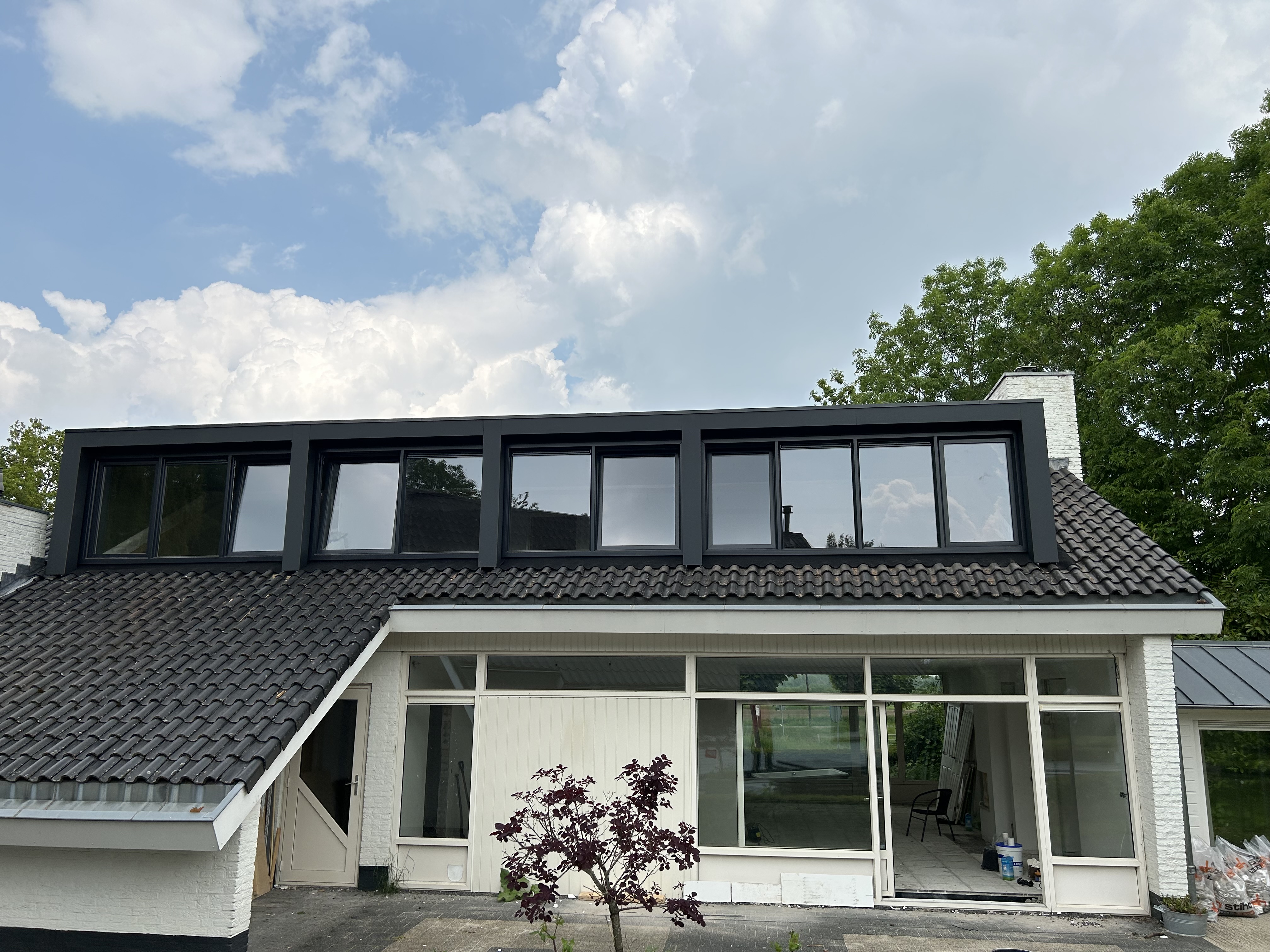
Dormers do not represent a single, uniform design solution. They can assume a wide range of shapes, sizes, and roof types, allowing them to be adapted to different architectural styles. Both simple, geometric forms and more classical designs inspired by traditional patterns are commonly used. This versatility allows dormers to be incorporated into buildings of various character—from modern homes, through manor-style developments, to stylized architectural concepts. Conceptual consistency is crucial. A dormer should result from the overall design assumptions rather than being treated as a random decorative addition.
Technical and construction aspects
The implementation of a dormer requires careful design and precise workmanship. As an element that interferes with the roof structure, it demands proper planning of details, insulation, and connections. Airtightness and effective protection against weather conditions are of critical importance.
In practice, this means working with an experienced designer and contractor. A well-designed dormer does not create operational problems,whereas mistakes in this area may lead to typical building defects. For this reason, a dormer should be treated as a feature requiring a professional approach rather than merely an aesthetic decision.
Does a dormer have drawbacks?
From a design perspective, a dormer involves greater structural complexity than a roof window. It requires modifications to the roof, careful execution, and a well-considered architectural concept. Therefore, it is neither a random nor a universally applicable solution forevery project. At the same time, this very specificity makes a dormer a highly customized solution. It offers spatial and visual benefits that cannot beachieved through simpler methods. In many cases, investors perceive its construction not as a disadvantage, but as an investment in comfort and architectural quality.
Summary
A dormer is an architectural feature that combines functionality and aesthetics. It improves the geometry of attic spaces,enhances interior comfort, and gives the building a distinctive character.Although its execution requires thoughtful design and precision, in the long term it represents a solution that genuinely increases the quality of living space. In modern single-family housing, a dormer is no longer merely adecorative detail. It is increasingly becoming a deliberate design tool that allows for better use of attic potential while enriching the overall form of the building.