-LQ_13_N_3K2A1479.jpg)


Introduction
Modular homes are no longer associated exclusively with temporary or recreational buildings. Advances in prefabrication technologies have led to their increasing recognition as a fully viable alternative to traditional construction methods, including for year-round residential use.This shift is not accidental. It results both from technological progress and from the growing expectations of investors, who place increasing emphasis on quality, cost predictability, and project completion time.
Naturally, questions arise regarding the safety, durability,and long-term value of modular homes. For many people, building a house is adecision meant to last for decades, so skepticism toward less familiar technologies is understandable. It is worth noting, however, that most concerns surrounding modular construction stem less from actual technical limitations and more from established habits and conventional ways of thinking about building methods.
Modular technology as a logical evolution of construction
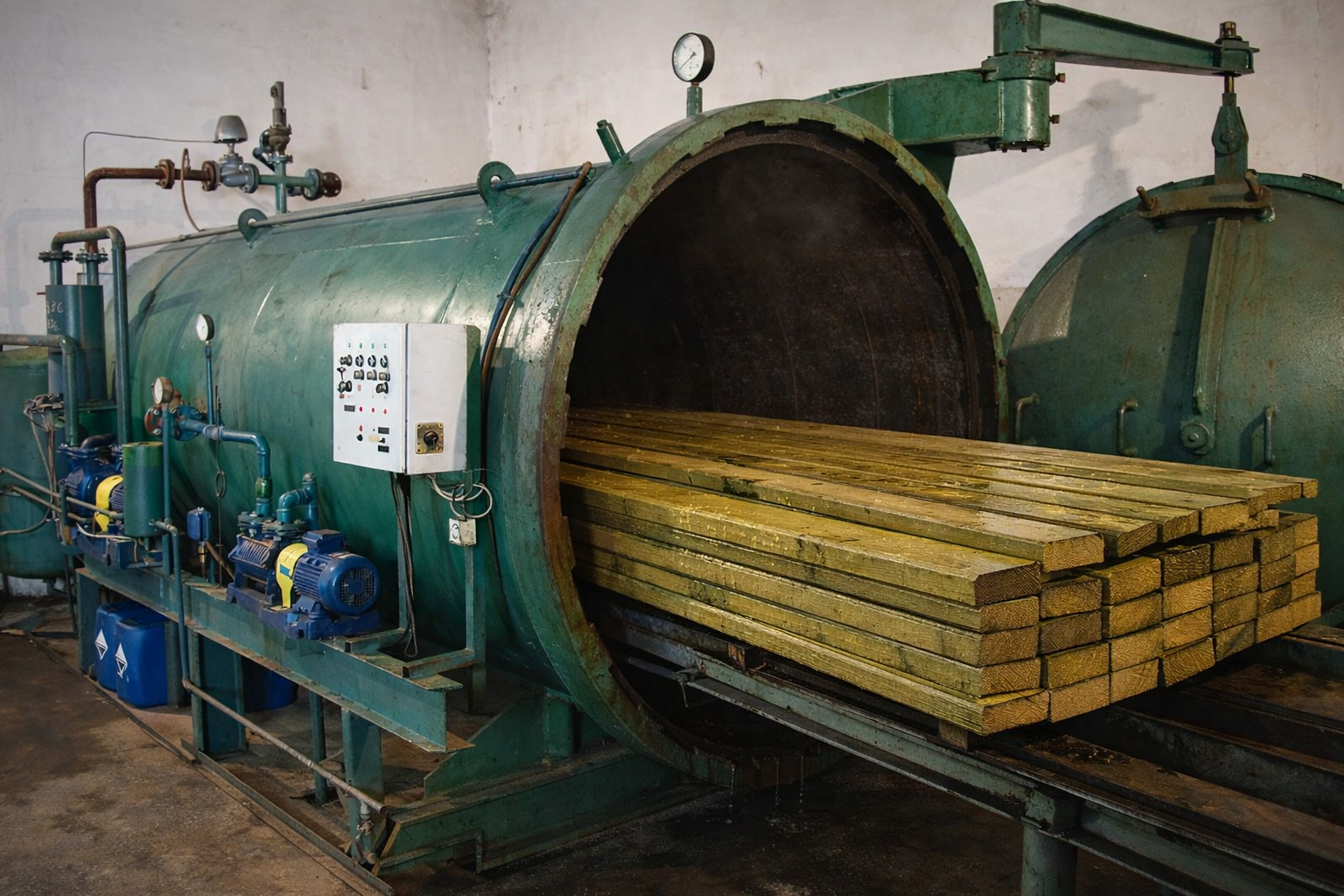
The essence of modular construction is not the simplification of a building’s structure, but rather a transformation in how itis delivered. Building components are manufactured in controlled production environments, enabling high precision and consistent quality. Unlike traditional construction, where much of the work depends on weather conditions and on-site coordination, prefabrication allows for a more organized and predictable process.
For investors, this has very practical implications. Shorter construction times, reduced risk of delays, and greater quality stability become tangible benefits rather than merely marketing claims. From this perspective, a modular home represents a natural development within the construction industry, much like the earlier adoption of precast reinforced concrete elements.
Structural safety and everyday use
Concerns about the safety of modular homes are relatively common, particularly among those accustomed to masonry construction. In practice, however, the prefabrication method itself does not determine a building’s safety. The critical factors are structural design, material quality, and the accuracy of fabrication and assembly. A modular home intended for year-round occupancy is designed to meet the same operational and environmental load requirements as any other residential building.
An important advantage lies in quality control.Factory-based production helps eliminate many of the errors typical of construction carried out in variable site conditions. Process repeatability,standardization, and continuous verification of individual components contribute to the overall reliability of the finished structure. As a result,modular homes can achieve safety levels fully comparable to those of traditional construction.
Durability and longevity of modular buildings
The durability of modular homes is one of the most frequently discussed topics. The belief that “modular” implies lower solidity or a shorter lifespan still persists. In reality, modern prefabricated buildings are designed for long-term use, and their longevity depends on the same factors that affect any house: design quality, protection of the structure from moisture, proper insulation, and regular maintenance.
Prefabrication supports consistent quality of components,which is crucial for the overall durability of the building. Elements are produced under uniform technological conditions, significantly reducing the risk of random construction deviations. In practice, a well-designed and properly constructed modular home can maintain its functional performance for many years, offering durability fully aligned with the expectations of investors planning a home for decades.
Comparison with traditional construction
Modular homes are often compared with traditional construction, which is a natural reference point for investors. However, the differences between these technologies extend beyond materials and primarily concern the organization of the building process. Traditional construction allows for greater flexibility during the execution phase but is often associated with higher risks of delays, cost fluctuations, and variability in workmanship quality.
Modular technology requires more deliberate decisions at earlier design stages but offers greater predictability and process control in return. For many investors, this trade-off proves advantageous. Schedule stability, reduced budget uncertainty, and shorter project timelines become factors of substantial practical importance.
Costs and investment predictability
Financial considerations are a major driver behind the growing interest in modular homes. In the prefabrication model, a larger portion of costs is determined at the design stage, significantly limiting the risk of unforeseen expenses. Traditional construction projects, often extending over many months, are more exposed to price volatility of materials, contractor availability, and additional work resulting from changes made during execution.
A modular home enables tighter budget control and more reliable financial planning. For investors, this means not only potential savings but, more importantly, greater economic security and reduced stress throughout the construction process.
Project execution and investor comfort
The nature of modular construction also affects the overall course of the investment. Most work is performed off-site, reducing construction-related disruptions and minimizing the time crews spend on the property. The assembly phase is typically fast and well-organized, allowing investors to avoid the prolonged building period characteristic of traditional methods.
For many clients, this carries not only logistical but also psychological benefits. A shorter and more predictable construction process requires less time commitment and provides a greater sense of comfort and control over the entire project.
The most common investor concerns
Choosing to build a home using modular technology is often accompanied by questions about property value, the possibility of future expansion, and how such buildings are perceived on the market. In practice,modular homes function as standard residential buildings, and their value depends primarily on location, design, and construction quality. Operational aspects are likewise comparable to those of other construction methods. Livingcomfort, maintenance costs, and building durability result from technical parameters and usage patterns rather than from the concept of prefabrication itself.
Summary
Modular homes represent a mature and rational construction technology that responds to the evolving needs of today’s investors. Safety,durability, and user comfort — as with any building method — depend on the quality of design and execution. Prefabrication and modular construction are not compromises, but an alternative approach to project delivery that, in many cases, offers measurable organizational and economic advantages.
For those seeking predictability, modern solutions, and shorter completion times, a modular home can be a fully justified choice, both technically and as a long-term investment.