

Despite its many advantages, such as relatively high strength, aesthetic appearance, and ease of processing, wood is not a completely durable material. Over time, it may undergo various degradation processes that lead to a deterioration of its functional properties. The durability of wood is influenced by many environmental factors. Some of them act slowly and gradually change the structure of the material, while others can cause rapid and severe damage. Therefore, understanding the causes of wood deterioration and the ways to limit these processes is of great importance.
Why Does Wood Undergo Degradation?
Wood is a material of organic origin, composed mainly of cellulose, hemicellulose, and lignin. These components constitute a natural source of energy for many living organisms. Even after wood is processed into a construction material, its chemical structure remains susceptible to the influence of biological factors.
The process of the deterioration of wood properties is often referred to as biodegradation or biocorrosion. These terms refer to the gradual destruction of the material under the influence of environmental factors or the activity of living organisms. In the literature concerning wood protection, three main groups of factors causing its degradation are distinguished:
- biological factors,
- physical factors,
- chemical factors.
In practice, biological factors are of the greatest importance, as under favorable conditions they can lead to very serious damage to wooden elements.
Biological Factors Causing Wood Degradation
Living organisms play a key role in the processes of wood decomposition in the natural environment. In nature, this phenomenon is beneficial because it enables the circulation of matter and the decomposition of dead plants. However, in the case of wood used by humans, these processes are undesirable and lead to material losses.
The most important biological factors that destroy wood include fungi, insects, bacteria, algae, and lichens. Each of these groups of organisms affects wood in a slightly different way.
Wood-Destroying Fungi
Fungi are among the most important organisms causing wood decay. Their development is primarily possible under conditions of increased moisture. Fungal spores are commonly present in the environment, which allows them to easily settle on the surface of organic materials.
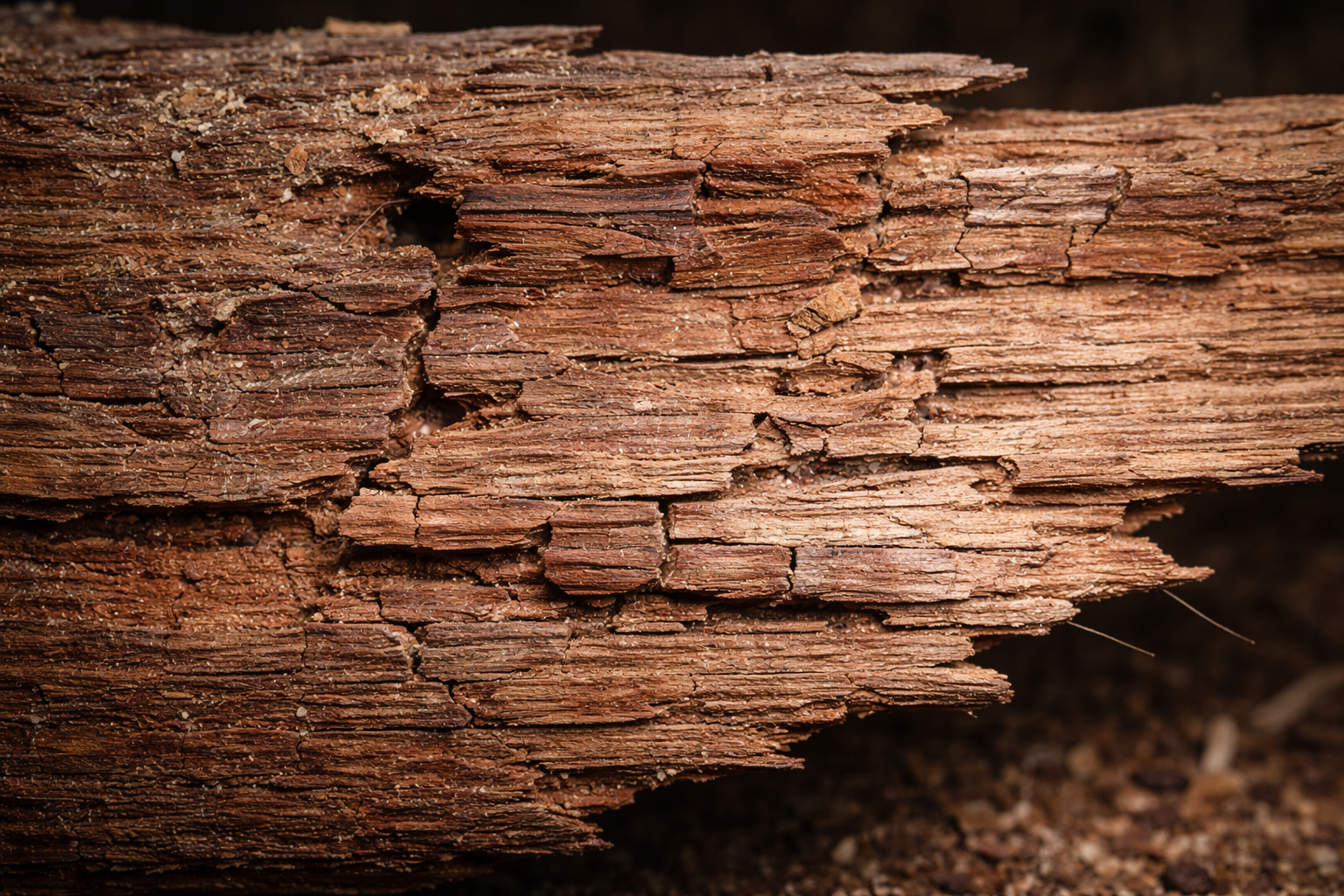
After penetrating the structure of wood, fungi develop a network of hyphae that release enzymes decomposing its chemical components. As a result, the cell walls of the wood gradually weaken. The effects of fungal activity include, among others:
- decrease in the strength of the material,
- change in the color of the wood,
- formation of cracks and brittleness of the structure.
In extreme cases, wood may undergo almost complete decomposition.

Wood-Boring Insects
Another very important group of organisms that destroy wood are xylophagous insects, that is, species that use wood as a source of food or as a place for larval development. The most well-known insects attacking wood include woodworms, house longhorn beetles, and powderpost beetles.
These insects lay their eggs in cracks in the wood or in its surface layers. After hatching, the larvae begin to bore numerous tunnels in the wood, which over time can significantly weaken its structure. Symptoms of the presence of insects in wood usually include:
- small holes in the surface of the material,
- fine wood dust falling out of the holes,
- characteristic sounds of feeding.
If the infestation is intense, wooden elements may lose their structural load-bearing capacity.
Bacteria and Microorganisms
Bacteria can also participate in the process of wood degradation, although their activity is usually less spectacular than that of fungi or insects. These microorganisms develop mainly in environments with very high moisture, for example in wood constantly exposed to contact with water.
Bacteria cause gradual changes in the structure of wood cell walls. This process involves the slow decomposition of some of the material’s chemical components.
Algae and Lichens
Algae and lichens often develop on the surface of wood located in a moist environment. These organisms usually do not cause deep degradation of the material; however, they may promote the retention of moisture on its surface.
Prolonged moisture in wood increases the risk of the development of fungi and other microorganisms, which are much more destructive to its structure.
Physical Factors Causing Wood Degradation
In addition to living organisms, various physical factors also affect the condition of wood. In many cases, they act on the material over a long period of time, causing gradual changes in its properties. The most important physical factors include, among others:
- moisture,
- temperature changes,
- solar radiation,
- mechanical loads.
Wood Moisture
Moisture plays a key role in the processes of wood degradation. A high water content in the material promotes the development of biological organisms, especially fungi. At the same time, wood responds to changes in moisture by swelling and shrinking. Repeated cycles of these changes can lead to: the formation of gaps and cracks, deformation of structural elements, and weakening of the material’s structure.
Solar Radiation
Ultraviolet radiation contained in sunlight causes chemical changes in the outer layers of wood. As a result of its action, the components of the material gradually undergo oxidation. The most visible effect of this process is the graying of the wood surface and the deterioration of its aesthetic appearance.
Mechanical Damage
Wood used in structures is subjected to various types of loads. If these loads exceed permissible values or act over a long period of time, they may lead to damage. The most common include:
- cracks along the grain,
- deformation of wooden elements,
- local destruction of the material’s structure.
Mechanical damage often facilitates the penetration of moisture and the development of biological organisms.
Chemical Factors of Wood Degradation
Wood shows relatively high resistance to the action of many chemical compounds. However, under certain conditions, chemical substances can also cause changes in its structure.
Action of Acids and Bases
Strong acids and bases can lead to the decomposition of some components of wood. In an acidic environment, hydrolysis of the polysaccharides that build the cell walls may occur. Long-term exposure to such substances causes a weakening of the material’s mechanical properties.
Chemical Reactions with Metals
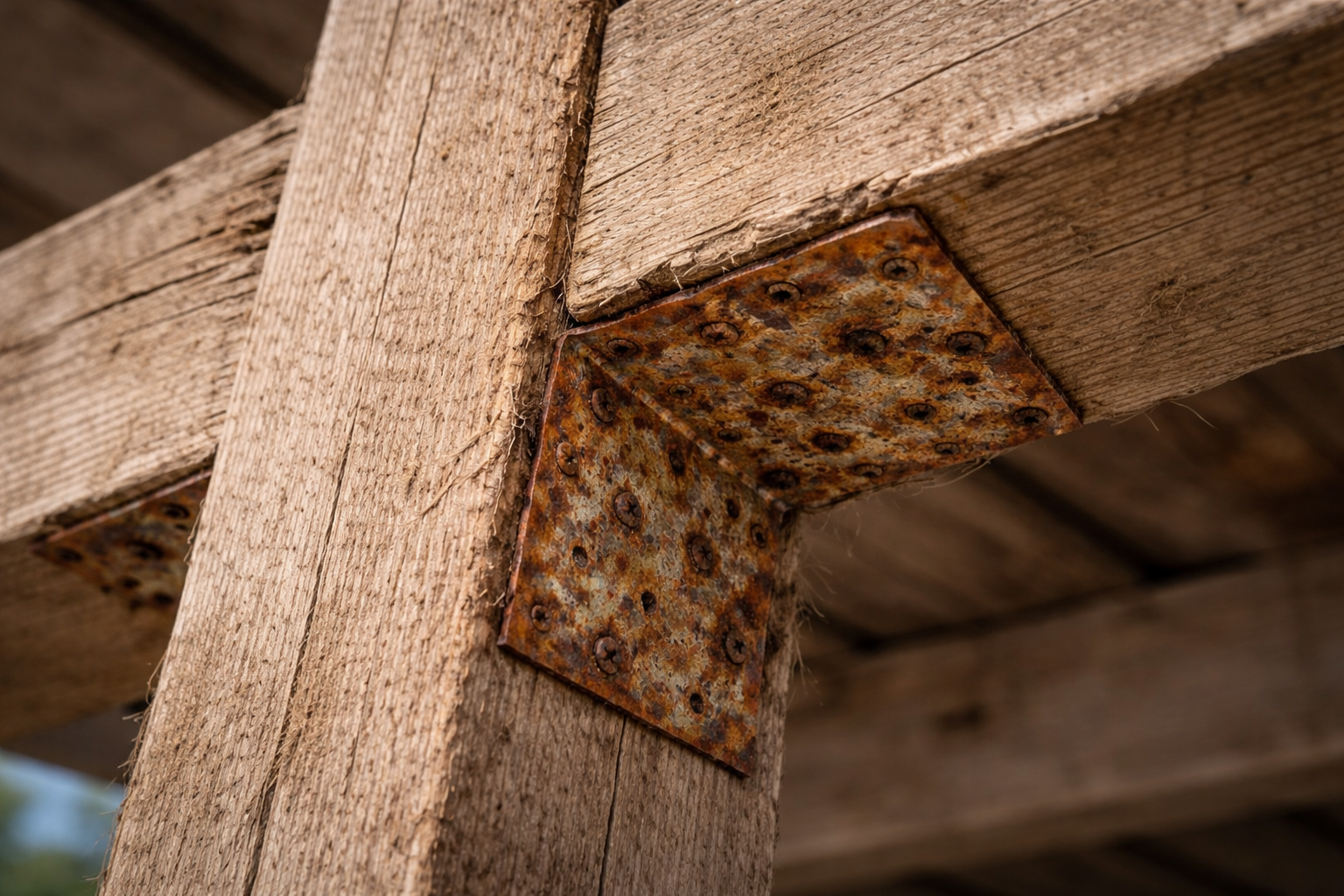
In many wooden structures, metal connecting elements such as nails, screws, or steel mounting plates are used. In contact with wood, chemical reactions may occur that lead to the formation of corrosion products. This can affect both the durability of the metal and the properties of the wood itself; however, it should be noted that this mainly concerns visual changes in the structure.
How to Limit Wood Deterioration?
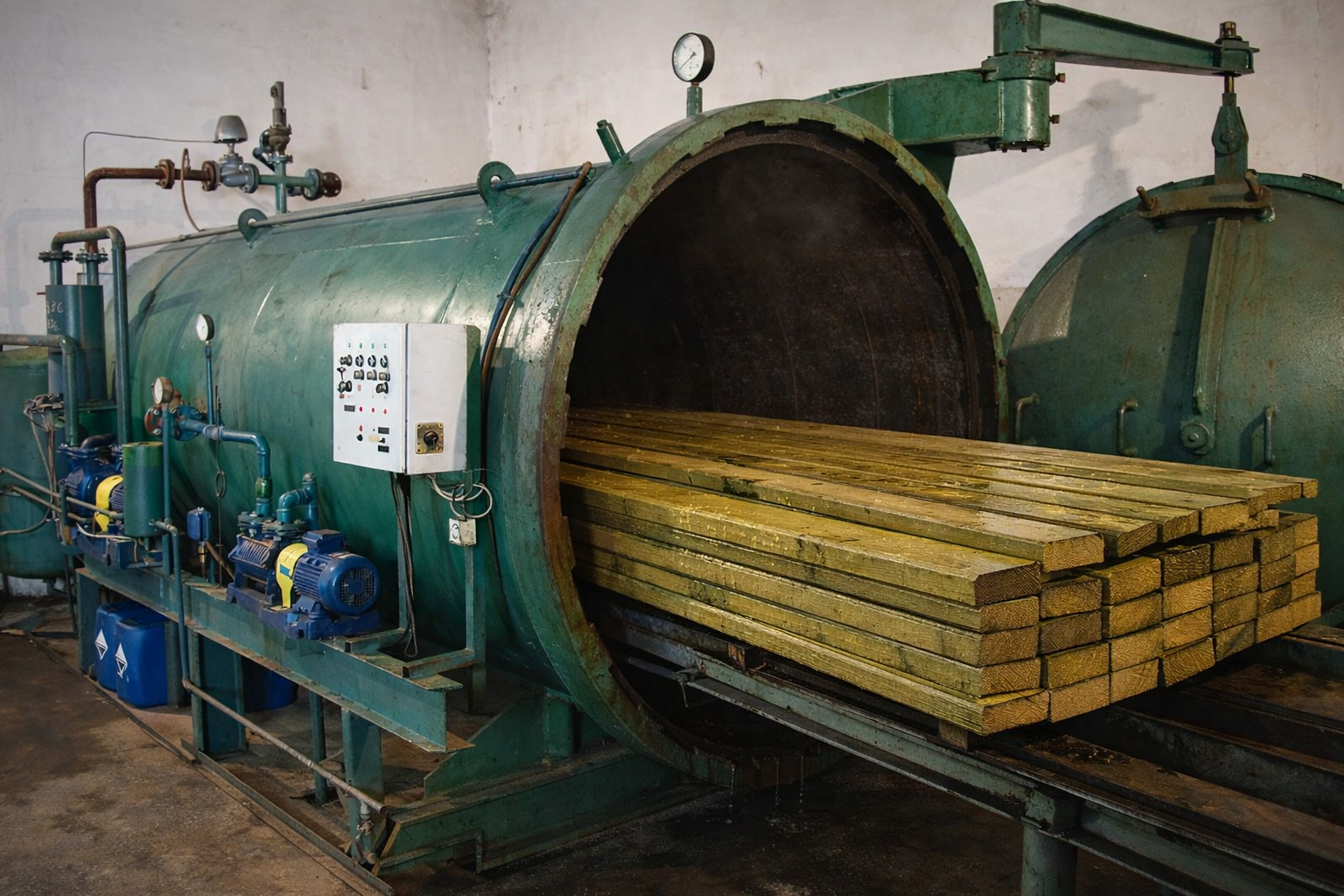
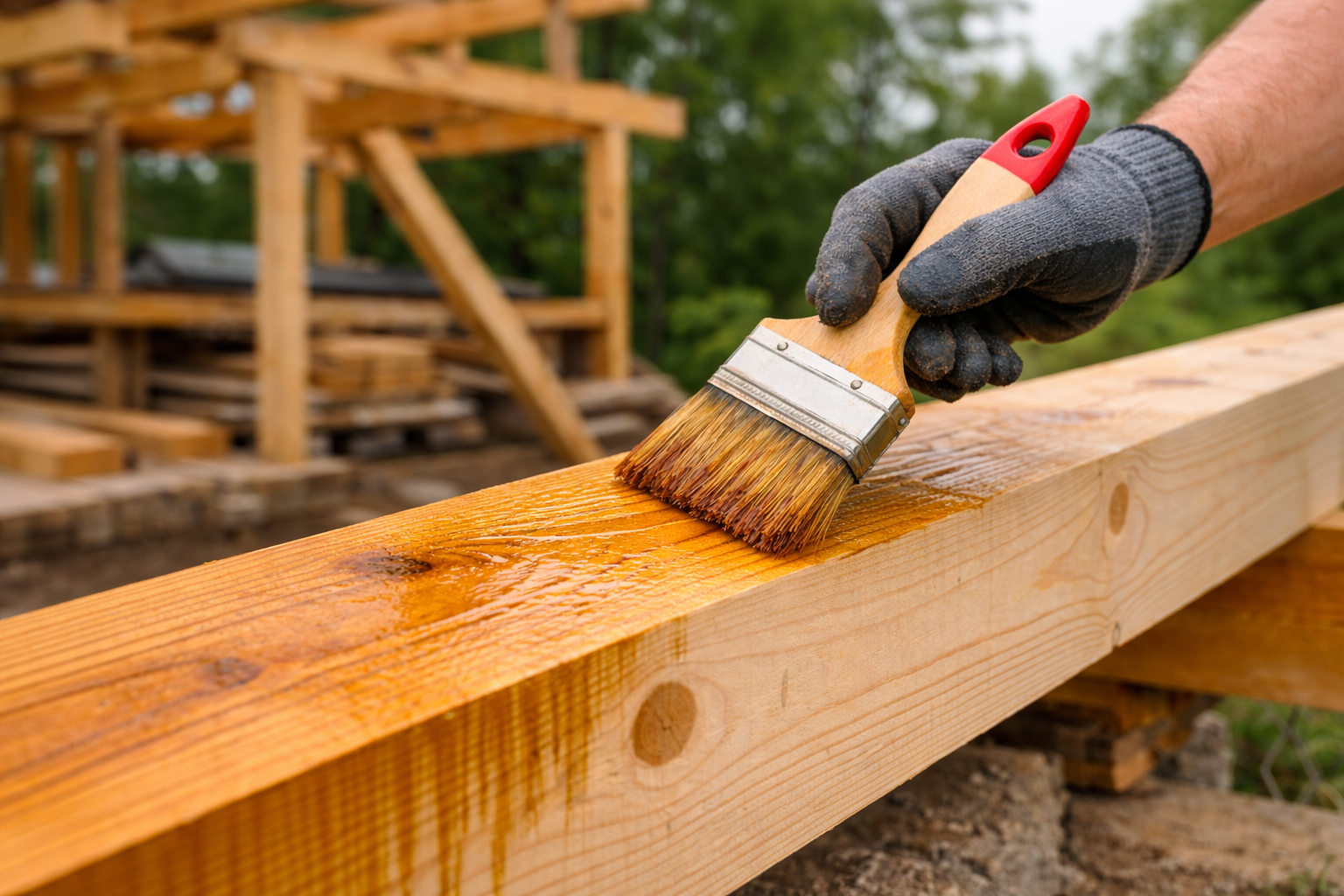
To increase the durability of wood, various protection methods are used. The most important include: impregnation of wood with special preparations, the use of protective coatings against moisture and UV radiation, and proper design and construction of structures.
Proper prevention and regular maintenance can significantly extend the service life of wooden elements. More information about wood impregnation can be found in another article available on our website.
Summary
Wood is a natural material that, under certain conditions, may undergo various degradation processes. Its durability is influenced by biological, physical, and chemical factors.
The greatest threat to wooden elements is posed by biological organisms, especially fungi and insects. At the same time, moisture, solar radiation, and unfavorable conditions of use can significantly accelerate the process of wood deterioration.
Knowledge of the factors causing wood degradation makes it possible to protect this material more effectively and extend its durability in construction practice.