

Introduction
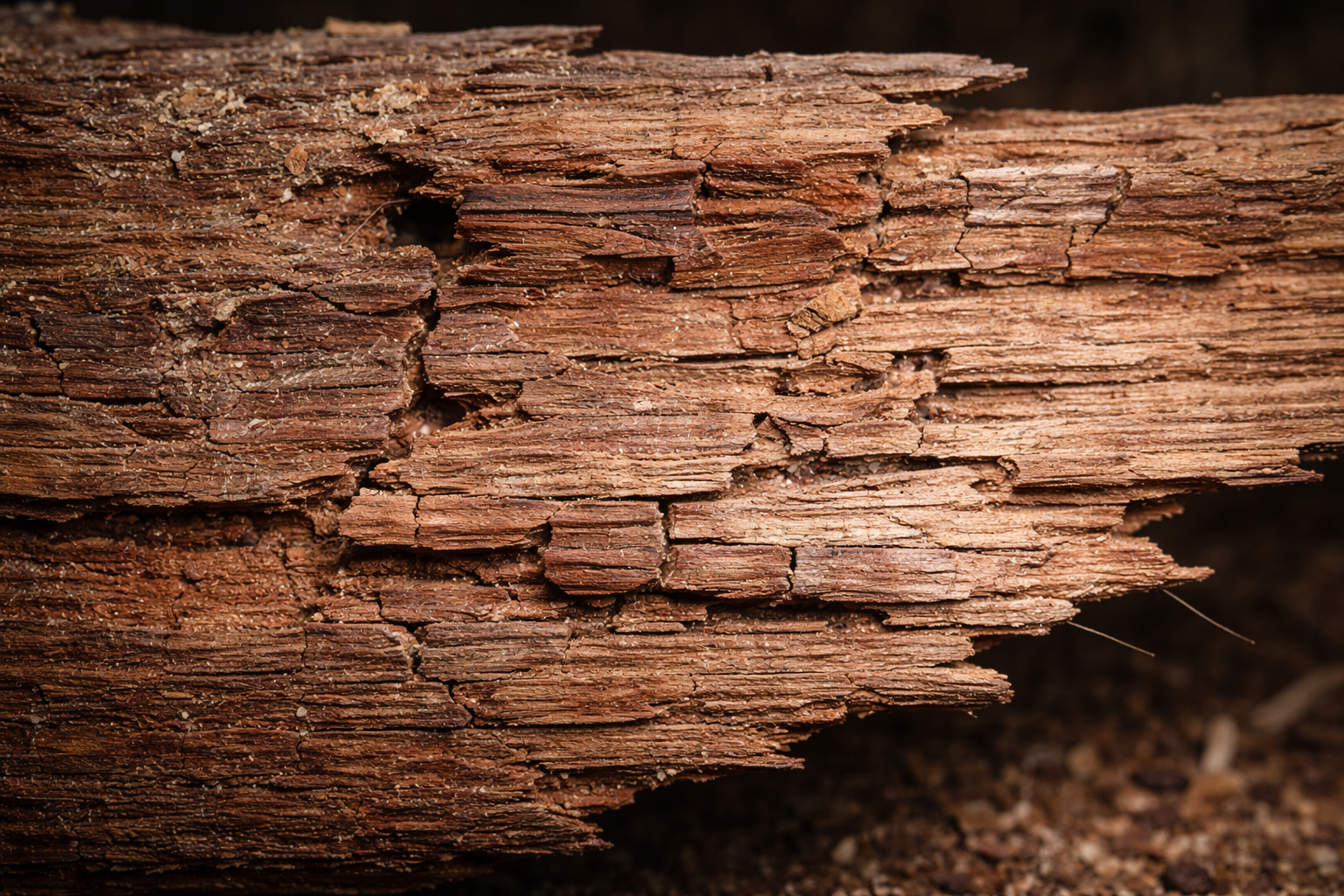
Wood is a natural material that has been widely used for centuries in construction, furniture making, and many other branches of industry. Its popularity results from its good mechanical properties, aesthetic qualities, and relatively easy workability. At the same time, it is a raw material susceptible to the effects of biological and atmospheric factors such as fungi, insects, moisture, and solar radiation. To increase the durability of wood and reduce the risk of its degradation, various protection methods are used, one of the most important being impregnation.
Impregnation involves introducing special chemical agents into the structure of wood, whose purpose is to protect the material from destructive factors. However, the effectiveness of this process depends on many factors, such as the species of wood, the moisture content of the material, the type of agent used, and the method of impregnation. For this reason, various techniques and preparations are used in practice, selected depending on the conditions of use and the properties of the wood itself.
Wood permeability – the importance of species.
One of the fundamental factors influencing the effectiveness of impregnation is the degree of wood permeability, that is, the ability to absorb and retain impregnating agents within its structure. Different wood species are characterized by different anatomical structures, which directly affects the ease with which impregnating agents penetrate the material.
Due to its ability to be impregnated, wood is divided into four basic groups: easily treatable wood, moderately treatable wood, difficult-to-treat wood, and very difficult-to-treat wood. Species belonging to the first group allow relatively quick and effective introduction of protective agents even when simple impregnation methods are used. In contrast, wood that is difficult or very difficult to treat requires the use of more advanced techniques in order to achieve an adequate level of protection.
A particular case among our native species is spruce wood, which becomes very difficult to impregnate after drying. During the drying process, so-called pits close within the wood, as a result of which impregnating agents can penetrate only very shallow layers of the material.
Protective agents and control agents
In the process of wood protection, it is important to distinguish between protective agents and control agents. Protective agents are applied preventively, before the material is attacked by wood-destroying organisms. Their purpose is to create a protective layer or saturate the wood structure with substances that inhibit the development of fungi and the feeding of insects.
Control agents, on the other hand, are used when the process of wood degradation has already begun. Preparations of this type are intended to eliminate existing biological threats, such as fungi that cause wood decay or insects that damage the structure of the material. It is also worth noting that some agents act primarily against fungi, while others are mainly aimed at controlling insects. In practice, preparations with a broad spectrum of action are often used.

Types of agents used for wood impregnation
Various groups of impregnating agents are used to protect wood, differing in both chemical composition and functional properties. Three main groups are most commonly distinguished: oil-based agents, solvent-based agents, and water-dilutable agents.
Oil-based agents
Oil-based agents are among the oldest and at the same time very effective preparations used in wood impregnation. Their main advantages include the hydrophobization of wood, that is, reducing the penetration of water into its structure. As a result, oil-based impregnating agents are not washed out by water and retain their properties for a long time.
An additional advantage is that these preparations are usually ready to use and do not require dilution. Importantly, they also do not cause corrosion of steel, which is significant in the case of metal elements used to join wooden structures, and they do not negatively affect the strength of the wood. However, the disadvantages of this group of preparations include a relatively strong and persistent odor, a change in the color of the wood, and a permanent increase in its flammability.
Solvent-based agents
The second group consists of solvent-based agents. Their main advantage is their good ability to penetrate dry wood and the lack of corrosive effects on steel elements. In some cases, impregnating agents of this type also do not change the natural color of the wood, which may be important from an aesthetic point of view. However, their disadvantages include the fact that they do not penetrate wet wood effectively and that they are relatively harmful both to humans and to the environment.
Water-dilutable agents
The third group consists of water-dilutable agents. Their main advantage is their low harmfulness to humans and a very weak odor or its complete absence. These preparations are considered more environmentally friendly than solvent-based impregnating agents. However, their disadvantages include a relatively high price, limited ability to penetrate wet wood, and the possibility of affecting the dimensions of the wood during the impregnation process.

Classification of wood impregnation methods
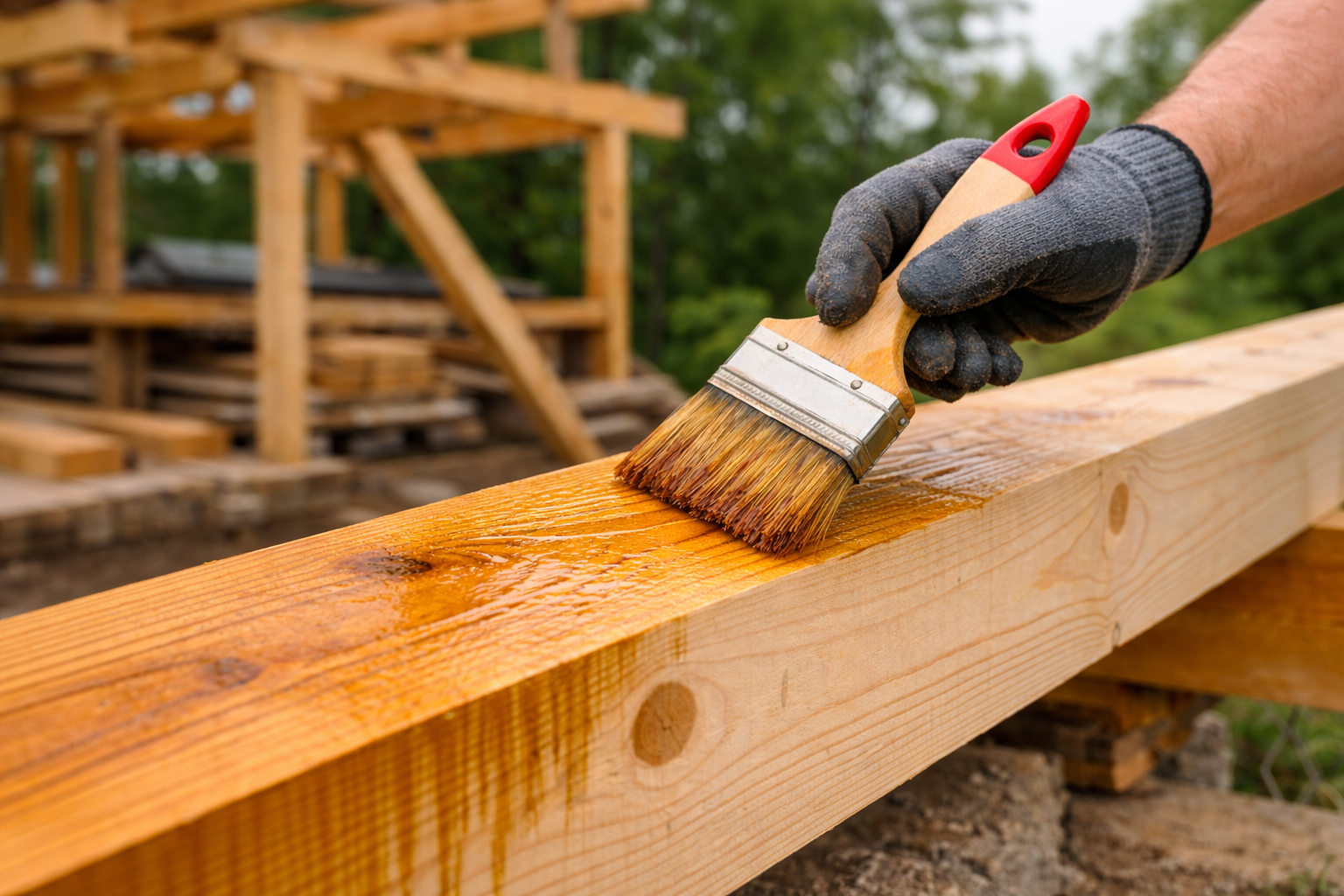
Wood impregnation can be divided into two main groups: surface impregnation and deep impregnation. Surface impregnation is a relatively simple and easy method to perform; however, its effectiveness is limited. It involves applying an impregnating agent to the surface of the wood by brushing, spraying, or short-term immersion in a cold or warm preservative solution. In this case, the preparation penetrates only the outer layers of the wood, which means that the protection is superficial in nature.
Deep impregnation is much more effective, as it allows protective agents to be introduced into the deeper layers of the wood. Within this group, non-pressure and pressure impregnation methods are distinguished.
Non-pressure impregnation methods
Non-pressure methods include diffusion impregnation, long-term cold soaking, and long-term hot soaking. These methods rely on natural processes that enable impregnating substances to penetrate into the wood.
In the case of diffusion impregnation, the phenomenon of diffusion is utilized. Diffusion is the spontaneous movement of substance particles from an area of higher concentration to an area of lower concentration. This method is particularly effective in the case of moist wood, because the presence of water in the wood structure facilitates the movement of impregnating substances. For this reason, in some cases the wood is intentionally moistened before diffusion impregnation in order to improve the effectiveness of the process.
Pressure impregnation methods
The second group of deep impregnation methods consists of pressure methods, which make it possible to achieve a very high level of wood saturation with protective agents. Among them are the vacuum method, full-cell methods, and hydrostatic methods.
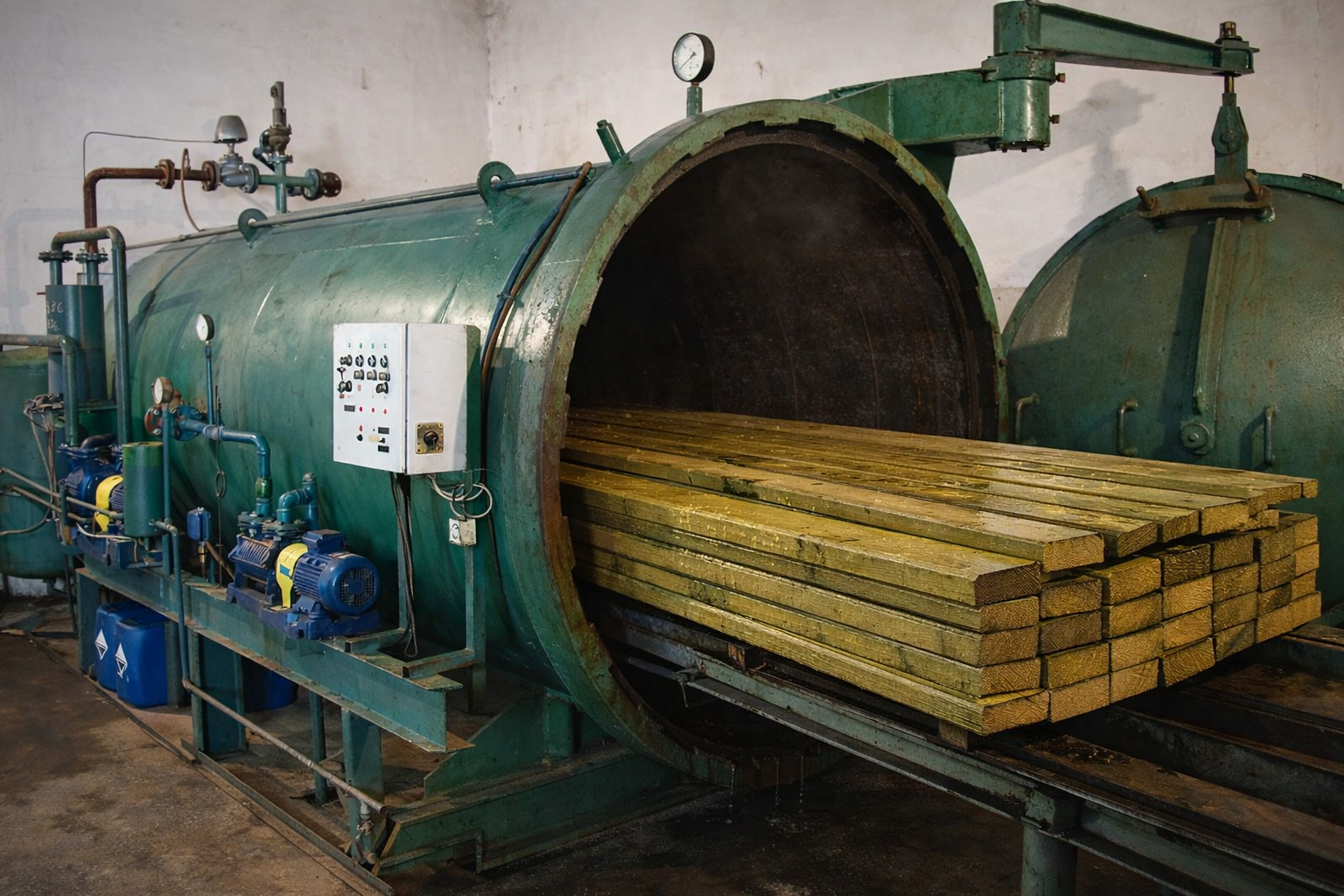
These methods use special impregnation chambers in which the penetration of the preservative into the wood structure is forced by applying vacuum or pressure. As a result, it is possible to achieve significantly better protection than in the case of surface methods.
The need for renewing impregnation
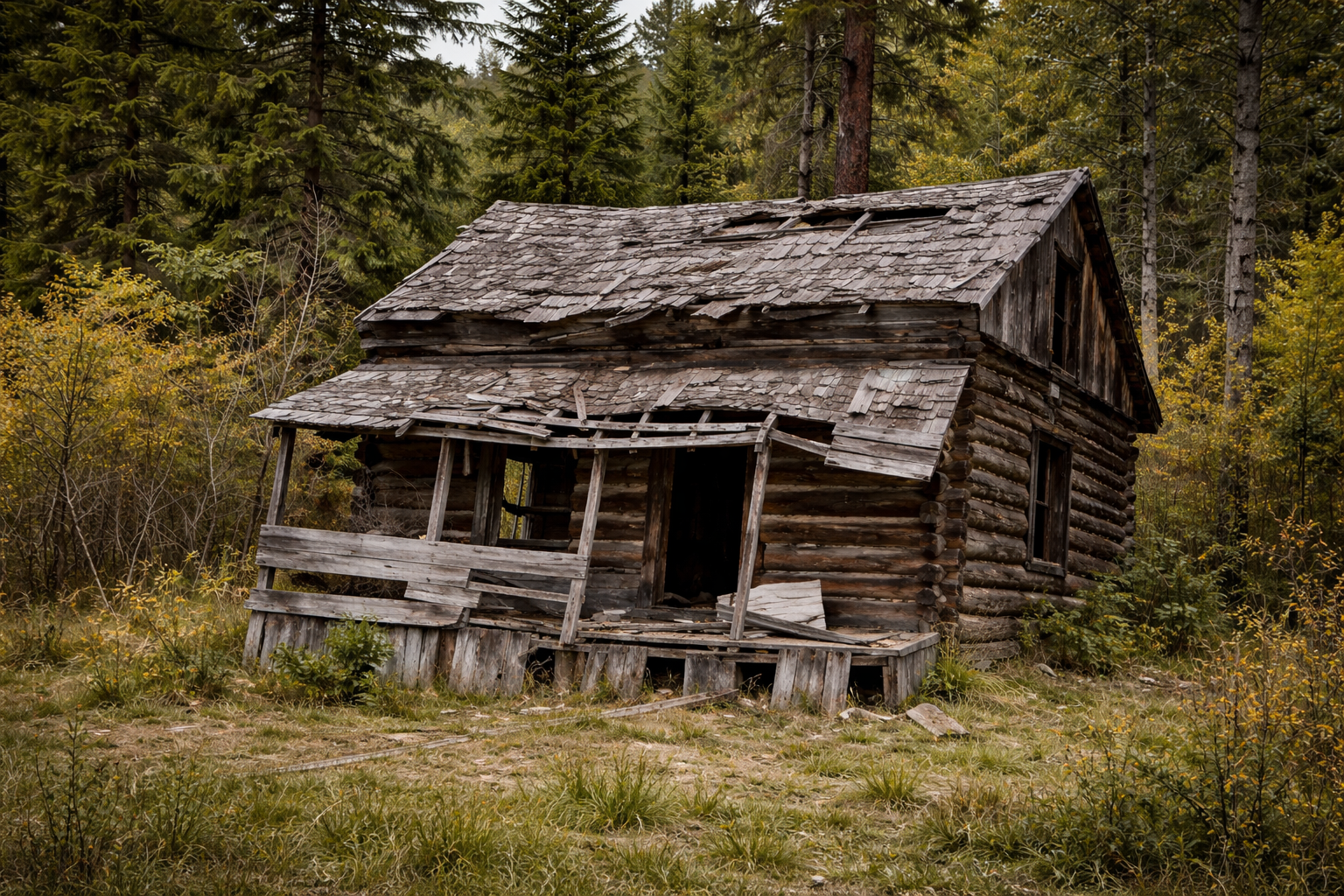
In the case of wooden elementsexposed to atmospheric factors such as moisture and solar radiation,impregnation is not a one-time process. Over time, the protective layergradually degrades, which makes its renewal necessary. It is generally assumedthat secondary impregnation of wood used outdoors should be carried outapproximately every 2–3 years. In practice, it is considered that the maximumacceptable interval between maintenance treatments should not exceed 5 years.
Summary
Wood impregnation is one of the most important methods of increasing the durability of this material and protecting it from biological and environmental factors. However, the effectiveness of protection depends on many factors, such as the properties of the wood species, its moisture content, the type of impregnating agent used, and the chosen impregnation method.
Proper selection of the protection technology makes it possible to significantly extend the service life of wooden elements and reduce the costs associated with their maintenance or replacement. In practice, it is also particularly important to regularly renew the protective layer and to use methods that increase wood permeability in the case of species that are difficult to impregnate. Thanks to this, it is possible to preserve the good functional properties of wood for a long time.