

Introduction
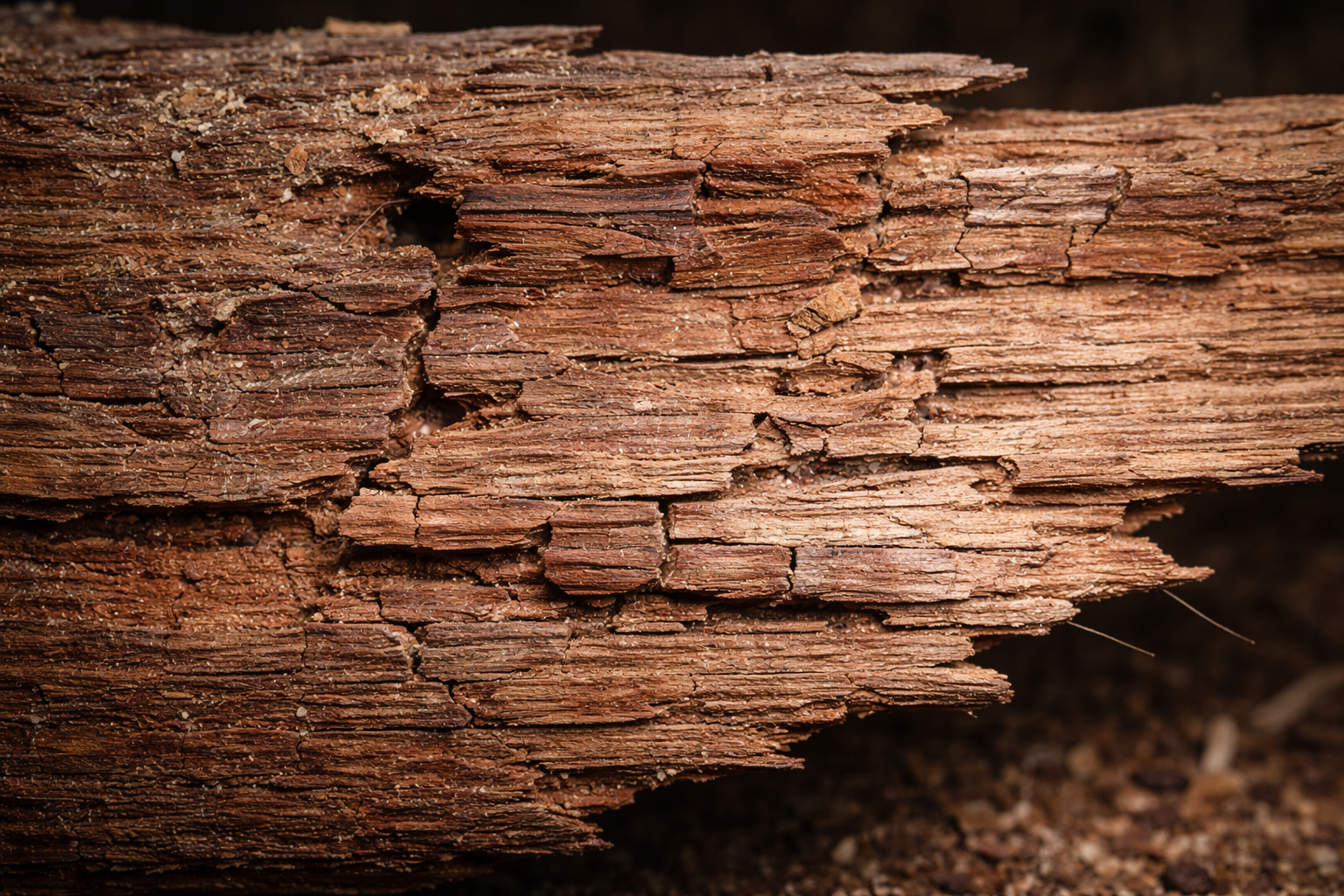
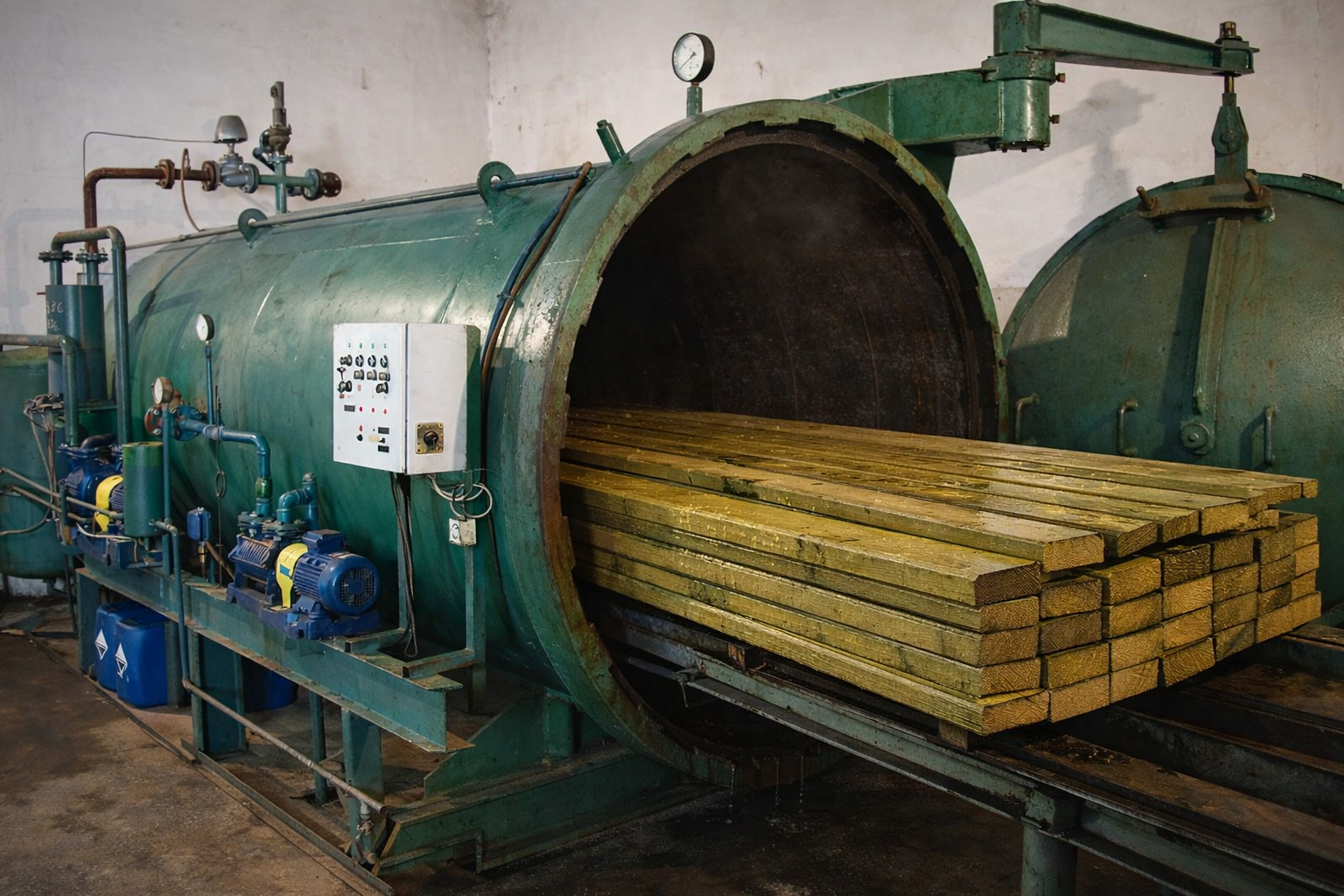
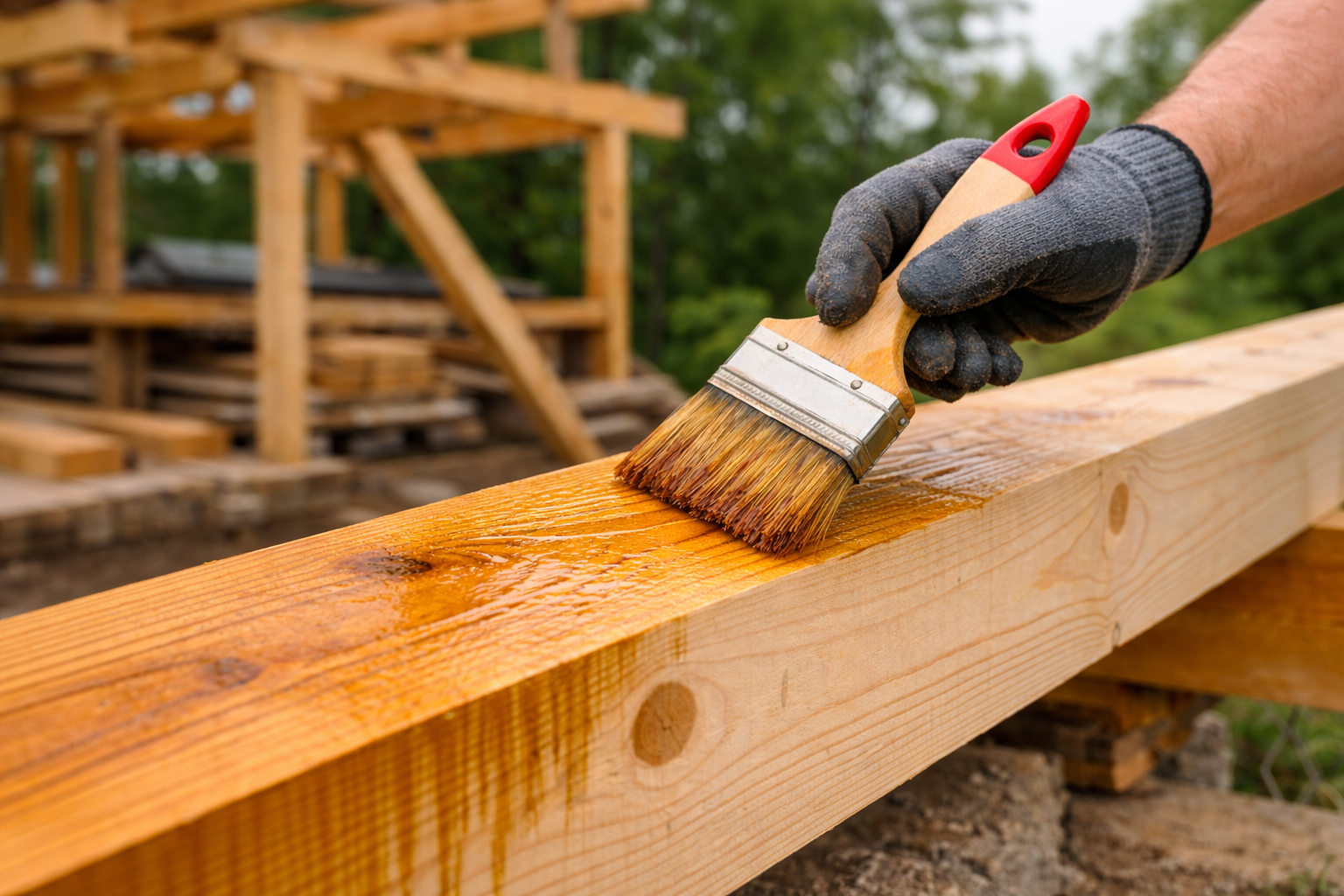
Wood has remained one of the most commonly used building and structural materials for centuries. It is natural, durable, and aesthetically pleasing; however, to preserve its properties over many years, it requires proper protection. Inadequate protection or its complete absence can lead to rapid material degradation, loss of technical performance, and, in extreme cases, even structural damage. The durability of wood depends on many factors, both natural and those related to service conditions. Important aspects include the wood species, moisture content, exposure to weather conditions, and biological threats. In construction practice, it is also crucial to understand the different use classes of wood and to select appropriate methods of impregnation and protection.
This article explains what affects wood durability, outlines the various use classes, discusses the wood species most commonly used in construction, and describes how to select them depending on their intended application.
What Factors Cause Wood Degradation?
Despite its strength and widespread use in construction, wood remains a natural material and is therefore susceptible to environmental influences. Its durability changes depending on service conditions, moisture levels, temperature, and the presence of living organisms. The degradation process may be slow and almost imperceptible, but under unfavorable conditions it can lead to a rapid deterioration of the material’s technical properties.
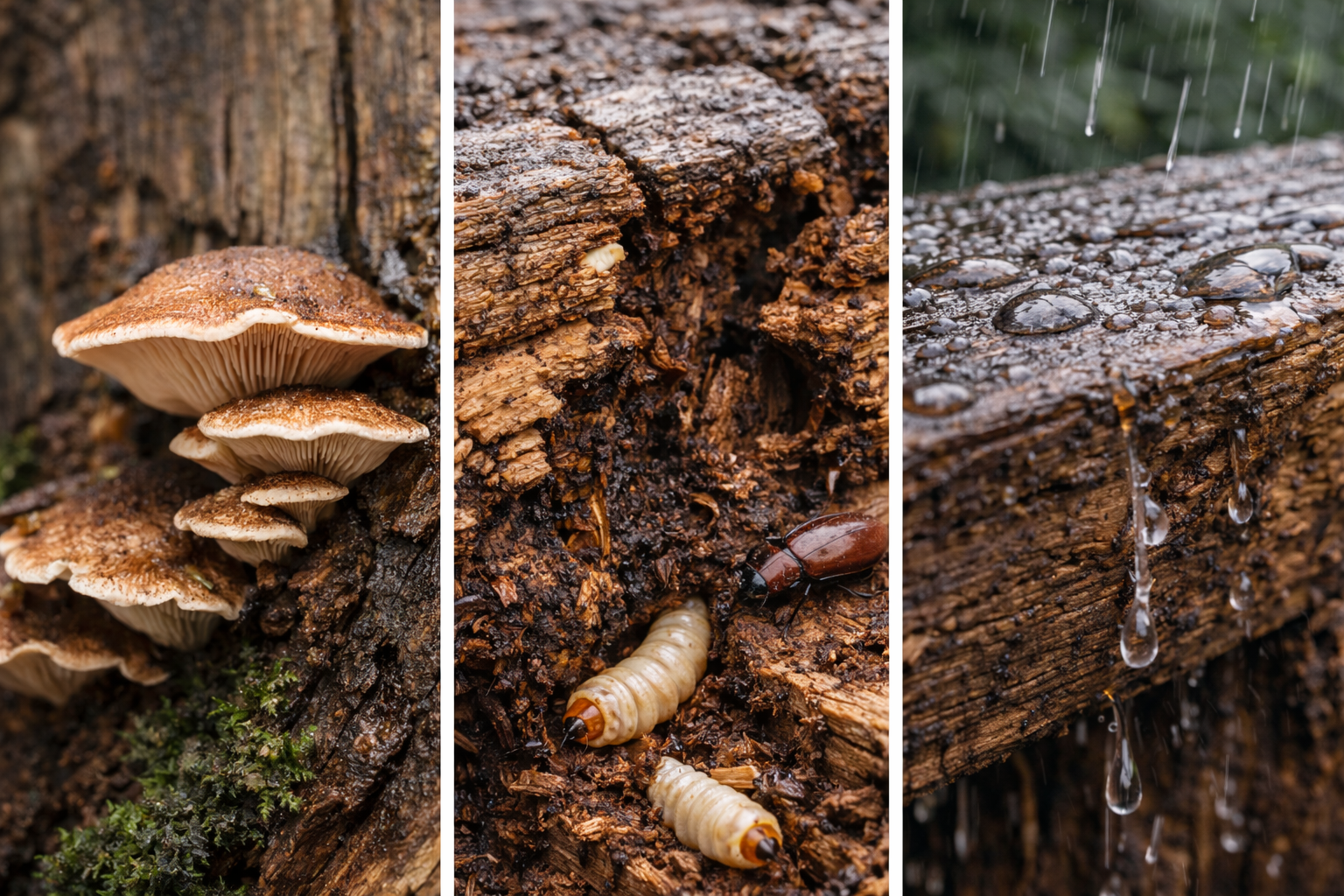
Factors responsible for wood deterioration are generally divided into abiotic and biotic influences. The first group includes physical and chemical factors, while the second is associated with the activity of living organisms. In practice, however, the significance of particular threats is not equal, and the actual risk depends primarily on the conditions in which the wood is used. One of the most critical factors affecting wood durability is moisture. Elevated water content in the material leads to dimensional changes, such as swelling and shrinkage, which may result in cracking, deformation, and structural weakening. These phenomena are not purely mechanical in nature; a moist environment simultaneously creates ideal conditions for the growth of biological organisms, which represent the primary cause of wood degradation. In this sense, moisture acts as a triggering factor for many adverse processes.
Fungi constitute the most serious threat to wood in construction conditions. These microorganisms use wood components as a source of energy, leading to the decomposition of cellulose and hemicelluloses and, consequently, to a gradual loss of mechanical strength. Infected wood changes color, loses cohesion, and in advanced stages may become completely destroyed. Particularly dangerous are situations in which fungal growth remains invisible for an extended period, delaying intervention and facilitating further damage.
Insects also play a significant role in degradation processes. Their activity involves creating systems of tunnels and chambers within wooden elements, known as insect galleries, which weaken the structural cross-sections. A characteristic feature of this type of damage is its concealed nature: the external wood surface may appear intact for a long time despite progressing internal deterioration.
Atmospheric factors, including solar radiation, also affect wood durability. Prolonged exposure to sunlight causes chemical changes in the surface layer, leading to graying, loss of gloss, and gradual structural degradation. Although initially these changes are primarily aesthetic, over time they may increase wood’s susceptibility to moisture and other destructive factors. The influence of physical and mechanical factors should not be overlooked. Temperature fluctuations, cyclic variations in moisture, and service loads generate internal stresses that can lead to cracks and deformations. Such damage often becomes a site of moisture accumulation and a starting point for further degradation.
Although wood may also be affected by chemical agents, under typical service conditions their impact is considerably less significant than that of physical and biological factors. In construction practice, therefore, the key priorities remain limiting moisture exposure and protecting wood from living organisms, which are the principal contributors to reduced material durability.
Wood Use Classes
Wood use classes define the environmental conditions in which the material will be used, particularly the degree of its exposure to moisture. This parameter is crucial for wood durability, as water content directly affects both dimensional stability and susceptibility to biological factors. Five basic wood use classes are distinguished.
Use Class 1 includes wood used in completely dry conditions, inside heated buildings. The material’s moisture content remains low, and the risk of fungal growth or other biological activity is negligible.
Use Class 2 applies to wood used under cover, in environments with periodically increased air humidity. The wood does not have direct contact with water but may respond to changing microclimatic conditions.
Use Class 3 refers to wood used outdoors, exposed to weather conditions such as precipitation, solar radiation, and temperature fluctuations. The material may undergo repeated wetting and drying cycles.
Use Class 4 includes wood in permanent contact with the ground or fresh water, thus functioning in conditions of high and prolonged moisture. In this class, the risk of biological degradation is particularly high.
Use Class 5 concerns wood used in marine environments, where, in addition to moisture, wood-destroying aquatic organisms are present.
In the climatic conditions of Poland, Use Class 5 is of marginal importance. From the perspective of typical construction applications and small garden structures, the hazards characteristic of this class are practically nonexistent.
For those planning to build a gazebo, shelter, pergola, or garden house, the most relevant classes are Use Classes 2, 3, and 4. Garden structures almost always operate in outdoor conditions, where wood is exposed to variable moisture, precipitation, and sunlight. Most elements of such structures function under conditions corresponding to Use Class 3. This includes beams, braces, cladding boards, rafters, and balustrades, which, despite being roofed, remain subject to atmospheric moisture, dew, fog, and periodic wetting during rainfall. Under these conditions, wood regularly changes its moisture content, which promotes internal stresses, cracking, and increased susceptibility to biological factors.
Particular attention should be paid to elements in direct contact with the ground or exposed to prolonged moisture. Structural posts, lower support sections, and components embedded in the soil should be treated as wood operating in Use Class 4. In such cases, the risk of degradation is significantly higher, and insufficient protection may lead to relatively rapid deterioration of the material’s technical performance. From a practical standpoint, this means that different use classes may occur simultaneously within a single garden structure. Such situations require a conscious approach to wood protection, taking into account both service conditions and the function of individual elements.
Which Wood Species Should Be Chosen Depending on the Intended Use?
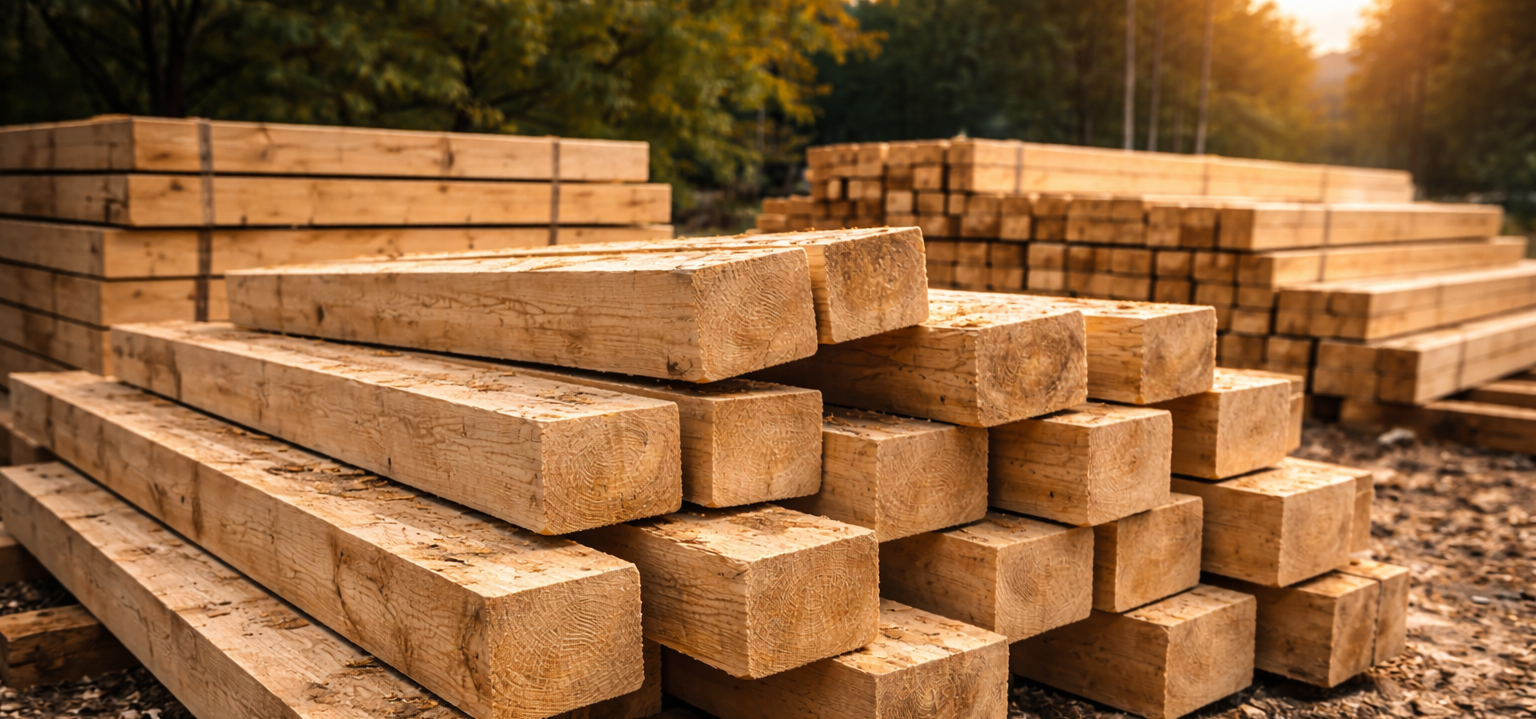
The selection of wood species is one of the fundamental factors affecting the durability of garden structures. While exotic species are increasingly used for furniture, terraces, or decorative elements due to their high natural biological resistance and dimensional stability, domestic species continue to dominate typical garden construction in Poland. This trend primarily results from economic considerations, material availability, and the relatively good mechanical properties of locally sourced wood. In construction practice, spruce and pine are the most commonly used, with larch and fir applied less frequently. In specific applications, durable hardwood species such as oak or black locust (robinia) are also utilized.
Softwood remains the primary structural material in garden construction. Spruce is widely used for load-bearing elements such as beams, rafters, and purlins. This species is valued for its favorable strength-to-weight ratio, ease of processing, and relatively uniform structure. These characteristics make spruce particularly suitable for the framework of gazebos, shelters, and roofed structures.
Pine is equally popular and, due to its widespread availability, represents one of the most commonly used species in domestic timber construction. Pine wood is applied in both structural components and finishing elements, including cladding, boarding, and small architectural features. Compared with spruce, pine typically exhibits higher density and resin content, which may influence its performance under varying moisture conditions. From the perspective of outdoor use, differences between these two species are significant. Spruce wood is generally lighter and more uniform, whereas pine is often somewhat more mechanically resistant but may display a greater tendency toward cracking and deformation when exposed to unfavorable moisture variations. In practical applications, both species require proper protection, and their durability in garden environments largely depends on the quality of impregnation and structural design solutions.
Larch holds a special position in outdoor construction, as it is considered more naturally durable than most common softwoods. Larch wood is characterized by higher density, improved moisture resistance, and attractive visual properties. However, due to its higher cost, its use in garden structures is often selective, typically limited to exposed or particularly weather-sensitive elements.
In applications demanding enhanced resistance to moisture and biological agents, hardwood species are sometimes employed. Oak offers high mechanical strength and good natural durability, making it suitable for structural elements subject to greater service demands. Nevertheless, its greater weight, machining characteristics, and cost must be taken into account. Black locust (robinia) is also noteworthy, as it is regarded as one of the most durable European hardwood species. Its exceptional resistance to biological degradation makes it particularly well suited for outdoor use, including components in contact with the ground.
Consequently, the choice of wood species in garden construction should not be viewed solely as an aesthetic or economic decision. Variations in density, structure, and natural durability directly influence material behavior under service conditions and therefore determine the long-term performance of the entire structure.
Summary
Despite its many structural and aesthetic advantages, wood remains a material sensitive to environmental influences. Its durability largely depends on service conditions, the proper selection of species, and appropriate protection. Understanding the mechanisms of wood degradation, the role of use classes, and the properties of individual wood species enables rational design and construction decisions. Proper protection of the material is therefore not optional but a fundamental requirement for maintaining technical performance and ensuring structural longevity, particularly in outdoor conditions.
Issues related to wood protection, however, are complex and require more detailed discussion. Subsequent articles will present the most important methods of wood preservation, including the practical aspects of impregnation and the selection of protective products. Special attention will also be given to biological degradation factors, including the most common fungi and insects that play a critical role in destructive processes. A conscious approach to wood protection is essential for the durability of any wooden structure, regardless of its scale or intended use.